
 한국어
 English
 中文
 日本語

Gynecology
Smaller incisions, faster recovery
Women's Clinic
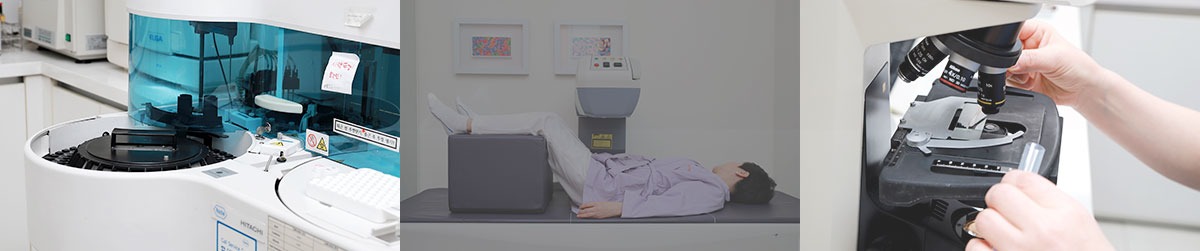
We care for the conditions women commonly face and help protect your health
with cervical cancer screening and birth control counseling.
Common gynecologic conditions
| Condition | Symptoms and care |
|---|---|
| Vaginitis | Itching or burning sensation and increased vaginal discharge and odor are typical. We find the cause, such as bacterial vaginosis, a yeast infection (Candida) or trichomoniasis, and treat it. |
| Abnormal uterine bleeding | If your periods last longer than expected or you bleed between periods, we use ultrasound to evaluate the endometrium, along with a Pap test, to look for causes such as polyps or fibroids. |
| Sexually transmitted infections | We test for and treat gonorrhea, genital herpes, genital warts (condyloma) and other infections. |
| Pelvic inflammatory disease | Untreated vaginitis or cervicitis can spread to the fallopian tubes and ovaries which may cause lower abdominal pain, fever, or increased vaginal discharge. |
| Urinary incontinence | Treatment depends on the type, such as stress incontinence (leaking when you cough or laugh) or urge incontinence (a sudden urge that's hard to hold). Surgery can make urge incontinence worse, so an accurate diagnosis matters. |
Menopause clinic
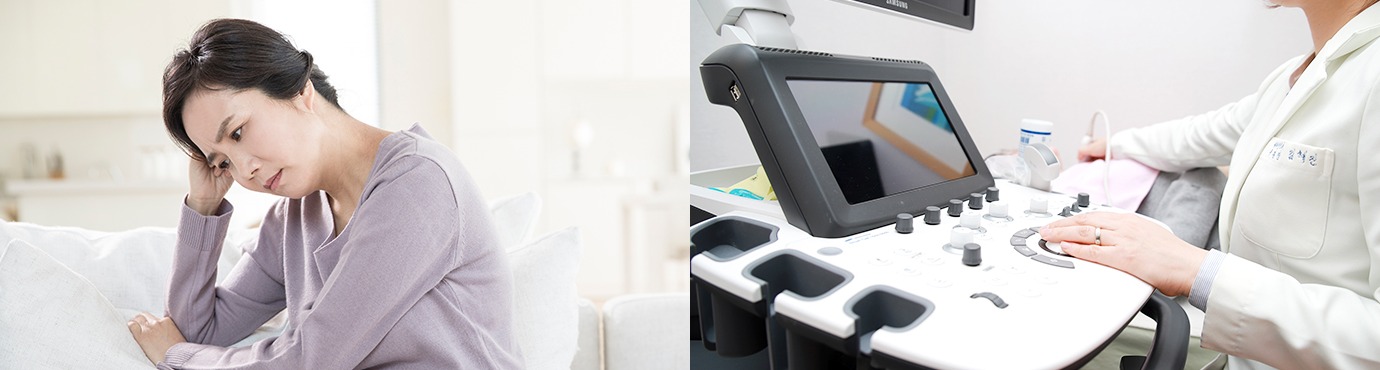
Menopause usually arrives around age 50; before age 40, it's called premature menopause. As estrogen levels drop, you may notice hot flashes, irregular periods, vaginal dryness, urinary incontinence, trouble sleeping, anxiety or difficulty concentrating.
After menopause, the risk of osteoporosis and cardiovascular disease rises.
| Hormone replacement therapy | Details |
|---|---|
| How it works | Replacing the hormones that your body is missing can ease the postmenopausal symptoms and may help to prevent osteoporosis. Depending on your health, you'll use either oral medication or a local vaginal product. |
| Before treatment | Hormone and liver function tests, a mammogram, a bone density scan and a Pap test help us confirm whether treatment is right for you. |
| Follow-up | We check in at 1 month and 3 months after you start, then every 6 months if everything looks normal. |
Screening and birth control
| Details | |
|---|---|
| Screening and prevention | Pap test (cervical cancer screening), HPV test |
| Birth control | Birth control pills, Mirena (hormonal IUD), Implanon (implant), copper IUD and emergency contraception |